Understanding the psychology behind gambling why we take risks in casinos
The Thrill of Risk Taking
One of the primary reasons individuals engage in gambling is the thrill associated with taking risks. The adrenaline rush that accompanies the possibility of winning can be incredibly enticing. When players place bets, their brains release dopamine, a neurotransmitter linked to pleasure and reward. This chemical reaction reinforces the behavior, encouraging them to gamble more in pursuit of that euphoric feeling. With the rise of online platforms, many are now exploring telegram gambling as a new avenue for excitement.
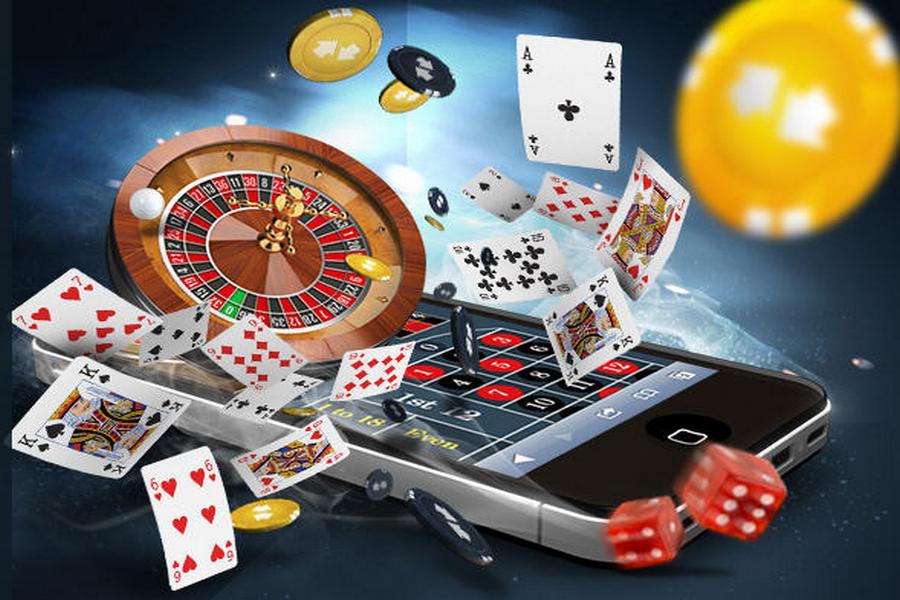
Moreover, the excitement of the unknown draws many people into casinos. The anticipation of waiting for the outcome of a bet creates a unique psychological experience that can be addictive. Individuals often find themselves in a cycle of risking money not just for potential gains, but for the sheer enjoyment of that suspenseful moment.
The Influence of Environment
The physical environment of a casino plays a crucial role in the psychology of gambling. Bright lights, enticing sounds, and engaging decor are meticulously designed to create an immersive experience. These sensory elements can heighten the feeling of excitement and make it easier for players to lose track of time and money.
This atmosphere can lead to what psychologists call “loss of self-awareness.” In a vibrant casino environment, individuals may feel less in control, which can prompt them to make bolder bets or engage in behaviors they would typically avoid. The ambiance fosters a sense of escapism, allowing gamblers to forget their everyday concerns and indulge in risk-taking.
Cognitive biases significantly influence gambling behavior, leading players to make irrational decisions. One common bias is the “gambler’s fallacy,” where individuals believe that past outcomes will affect future results. For example, if a roulette wheel has landed on red several times in a row, a player may irrationally assume that black is “due” to come up. This flawed logic can lead to increased betting and greater risks.
Another bias is the “illusion of control,” where gamblers believe they have more influence over the outcome of a game than they actually do. This false sense of control can result in players betting larger amounts, convinced that they can somehow manipulate the odds in their favor. Understanding these cognitive distortions is essential for recognizing why individuals take unnecessary risks in gambling settings.
The Role of Technology in Gambling Psychology
Technological advancements have reshaped the gambling landscape, amplifying the psychological triggers that drive individuals to take risks. Online casinos and mobile gaming apps have made gambling more accessible than ever, allowing players to gamble anytime and anywhere. This convenience can lead to impulsive decision-making, as players can quickly place bets without the constraints of a physical location.
Additionally, technology has introduced features such as live dealer games and interactive slots, which enhance player engagement. These innovations keep individuals invested in the game, often leading to longer gambling sessions and increased risk-taking behavior. The integration of technology into gambling reinforces the psychological aspects of thrill and anticipation, pushing players to seek more significant risks.

Why Understanding Gambling Psychology Matters
Understanding the psychology behind gambling is crucial for individuals who engage in these activities and for professionals in the field. By recognizing the factors that drive risk-taking behavior, gamblers can make more informed decisions and develop strategies to gamble responsibly. Awareness of cognitive biases, environmental influences, and the impact of technology can empower individuals to mitigate their risk of problem gambling.
Furthermore, education on gambling psychology can support preventive measures and interventions aimed at reducing harmful gambling practices. As society continues to evolve, a better understanding of why we gamble can lead to healthier attitudes toward risk and decision-making in both casinos and everyday life.