Онлайн-банкинг
Trading kan u blootstellen aan risico op verlies groter dan uw stortingen en is alleen geschikt voor ervaren klanten die voldoende financiële middelen hebben om dergelijk risico te dragen http://vserov.ru/records/pages/kak-vyviesti-dien-ghi-iz-vinlain-na-koshieliek-ts-upis-podrobnaia-instruktsiia.html. Geen enkele informatie op deze site is beleggingsadvies of een uitnodiging tot het kopen of verkopen van enig financieel instrument.
Trading stocks can be a fascinating and lucrative way to grow your wealth, but the stock market can be daunting if you’re a beginner. It involves complex strategies and online brokers and trading platforms with many tools available. New traders enter the market daily, but many fail to achieve their full potential because of a lack of knowledge, preparation, and proper risk management. The good news is that anyone can become a successful trader with the right knowledge, mindset, and approach.
The value of shares and ETFs bought through a share dealing account can fall as well as rise, which could mean getting back less than you originally put in. Past performance is no guarantee of future results.
It’s time to place orders with your brokerage when you’ve developed a trading plan and researched a range of stocks. You’ll have to specify the stock ticker symbol, the number of shares you want to trade, and the type of order you want to use when you’re placing an order.
A brokerage with a strong educational component and user-friendly interface is likely the best choice for long-term investors or those new to trading. Robo-advisors like Betterment and Wealthfront can be good options for those who prefer a more automated approach to their portfolio. These platforms use algorithms to create and manage diversified portfolios based on the investor’s risk tolerance and goals.
User data protection
Data loss prevention (DLP) is a critical component of data protection, designed to prevent unauthorized access, leakage, or theft of sensitive information. DLP technologies consist of various tools and processes that help organizations maintain control over their data.
Data protection principles help protect data and make it available under any circumstances. It covers operational data backup and business continuity/disaster recovery (BCDR) and involves implementing aspects of data management and data availability.
For the enforcement of data protection laws to be effective, DPAs are given the power to investigate, detect and punish violations as well as the responsibility to raise awareness of data protection rights and obligations in general.
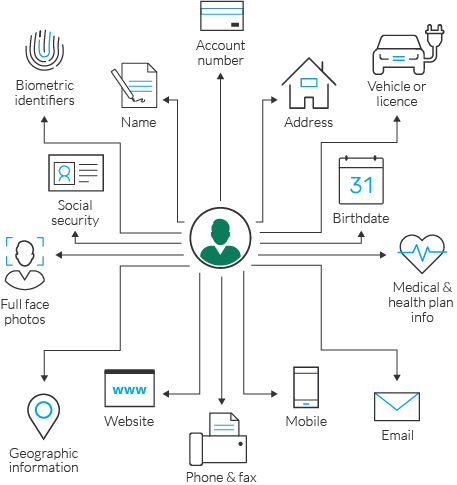
Data loss prevention (DLP) is a critical component of data protection, designed to prevent unauthorized access, leakage, or theft of sensitive information. DLP technologies consist of various tools and processes that help organizations maintain control over their data.
Data protection principles help protect data and make it available under any circumstances. It covers operational data backup and business continuity/disaster recovery (BCDR) and involves implementing aspects of data management and data availability.
Investment portfolio management
Actively managed funds, on the other hand, try to beat market returns with investments chosen by professional money managers. Because actively managed funds trade more frequently and are professionally managed, they typically have higher costs associated with them. Be sure to understand the impact of costs and how they can affected your returns.
Evaluating the performance of your portfolio involves comparing its returns against benchmarks (typically indexes that offer a mix like you’re aiming for in your portfolio) and considering your investment goals. Data to review include total return, your risk-adjusted return, and the performance of individual assets relative to their respective indexes. It’s also important to review the consistency of your returns over time and whether your portfolio is making progress toward your objectives.
Discretionary Portfolio Management refers to when an investment manager makes all the investment decisions on behalf of the client. The client gives the manager authority to buy, sell, and select securities at their discretion to meet the account objectives. Unlike non-discretionary management, the client does not approve each trade but instead grants full autonomy to the manager. Discretionary management is common for institutional investors and high net worth individuals seeking specialised expertise in constructing portfolios.

Actively managed funds, on the other hand, try to beat market returns with investments chosen by professional money managers. Because actively managed funds trade more frequently and are professionally managed, they typically have higher costs associated with them. Be sure to understand the impact of costs and how they can affected your returns.
Evaluating the performance of your portfolio involves comparing its returns against benchmarks (typically indexes that offer a mix like you’re aiming for in your portfolio) and considering your investment goals. Data to review include total return, your risk-adjusted return, and the performance of individual assets relative to their respective indexes. It’s also important to review the consistency of your returns over time and whether your portfolio is making progress toward your objectives.
Discretionary Portfolio Management refers to when an investment manager makes all the investment decisions on behalf of the client. The client gives the manager authority to buy, sell, and select securities at their discretion to meet the account objectives. Unlike non-discretionary management, the client does not approve each trade but instead grants full autonomy to the manager. Discretionary management is common for institutional investors and high net worth individuals seeking specialised expertise in constructing portfolios.