Value of all cryptocurrencies
CoinMarketCap does not offer financial or investment advice about which cryptocurrency, token or asset does or does not make a good investment, nor do we offer advice about the timing of purchases or sales https://enucuzkamera.com/. We are strictly a data company. Please remember that the prices, yields and values of financial assets change. This means that any capital you may invest is at risk. We recommend seeking the advice of a professional investment advisor for guidance related to your personal circumstances.
We calculate a cryptocurrency’s market cap by taking the cryptocurrency’s price per unit and multiplying it with the cryptocurrency’s circulating supply. The formula is simple: Market Cap = Price * Circulating Supply. Circulating supply refers to the amount of units of a cryptocurrency that currently exist and can be transacted with.
The top 10 cryptocurrencies are ranked by their market capitalization. Even though 10 is an arbitrarily selected number, being in the top 10 by market capitalization is a sign that the cryptocurrency enjoys a lot of relevance in the crypto market. The crypto top 10 changes frequently because of the high volatility of crypto prices. Despite this, Bitcoin and Ethereum have been ranked #1 and #2, respectively, for several years now.
Here at CoinMarketCap, we work very hard to ensure that all the relevant and up-to-date information about cryptocurrencies, coins and tokens can be located in one easily discoverable place. From the very first day, the goal was for the site to be the number one location online for crypto market data, and we work hard to empower our users with our unbiased and accurate information.
Tokens, on the other hand, are crypto assets that have been issued on top of other blockchain networks. The most popular platform for issuing tokens is Ethereum, and examples of Ethereum-based tokens are MKR, UNI and YFI. Even though you can freely transact with these tokens, you cannot use them to pay Ethereum transaction fees.
All the cryptocurrencies
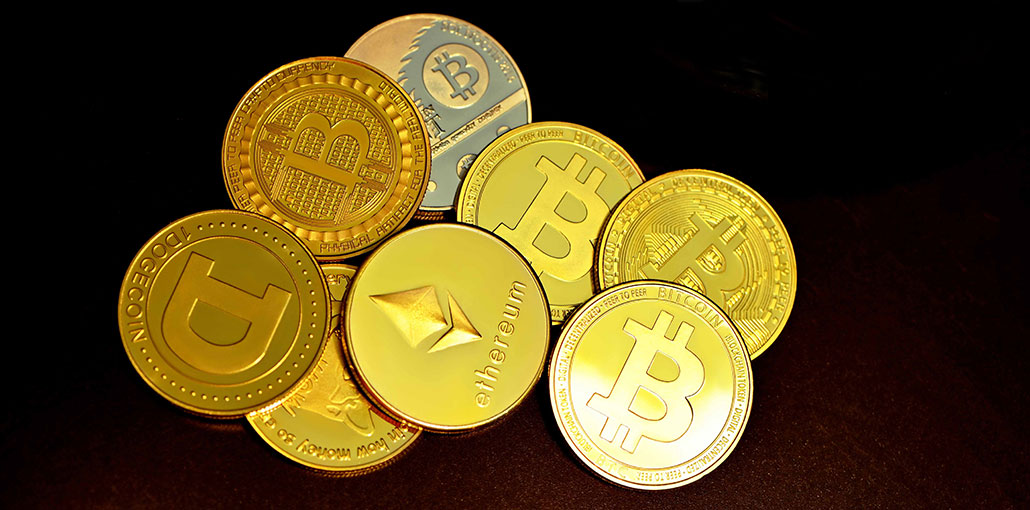
A coin refers to cryptocurrencies and tokens, digital assets created and managed on blockchain networks. A cryptocurrency, also known as ‘crypto,’ is a digital currency that uses cryptography for security and operates on a decentralized blockchain network. Cryptocurrencies are native coins of their respective blockchains used to pay transaction fees and facilitate transactions within that network. Examples of cryptocurrencies include Bitcoin (BTC) and Ethereum (ETH).
To add a new coin to Blockspot.io, fill out our submission form with all the necessary details, such as name, ticker, logo, type, supply, and other metadata. The form can be accessed at Submitting a coin to our platform is completely free, and we’ll review your submission before adding it to our extensive database of cryptocurrencies.
These crypto coins have their own blockchains which use proof of work mining or proof of stake in some form. They are listed with the largest coin by market capitalization first and then in descending order. To reorder the list, just click on one of the column headers, for example, 7d, and the list will be reordered to show the highest or lowest coins first.
A coin refers to cryptocurrencies and tokens, digital assets created and managed on blockchain networks. A cryptocurrency, also known as ‘crypto,’ is a digital currency that uses cryptography for security and operates on a decentralized blockchain network. Cryptocurrencies are native coins of their respective blockchains used to pay transaction fees and facilitate transactions within that network. Examples of cryptocurrencies include Bitcoin (BTC) and Ethereum (ETH).
To add a new coin to Blockspot.io, fill out our submission form with all the necessary details, such as name, ticker, logo, type, supply, and other metadata. The form can be accessed at Submitting a coin to our platform is completely free, and we’ll review your submission before adding it to our extensive database of cryptocurrencies.
Are all cryptocurrencies the same
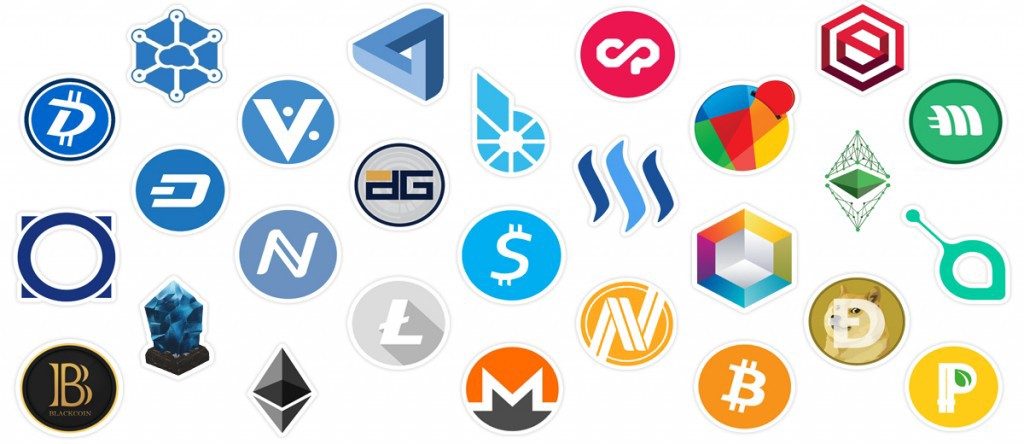
For example, public-private key cryptography or innovative solutions such as zero-knowledge proofs help strengthen the security of cryptocurrencies. On top of it, certain cryptocurrencies also rely on their community to maintain safety and reliability.
Digital currencies have utility similar to physical currencies. They can be used to purchase goods and pay for services. They can also find restricted use among certain online communities, such as gaming sites, gambling portals, or social media networks.
Some examples of digital currencies include cryptocurrencies, stablecoins, and Central Bank Digital Currencies. Interestingly, CBDCs are a common highlight in every digital currency vs cryptocurrency comparison as they are the most credible form of digital currency. CBDCs are a type of digital currency issued by the government or national monetary authority of a country.
For example, public-private key cryptography or innovative solutions such as zero-knowledge proofs help strengthen the security of cryptocurrencies. On top of it, certain cryptocurrencies also rely on their community to maintain safety and reliability.
Digital currencies have utility similar to physical currencies. They can be used to purchase goods and pay for services. They can also find restricted use among certain online communities, such as gaming sites, gambling portals, or social media networks.
Some examples of digital currencies include cryptocurrencies, stablecoins, and Central Bank Digital Currencies. Interestingly, CBDCs are a common highlight in every digital currency vs cryptocurrency comparison as they are the most credible form of digital currency. CBDCs are a type of digital currency issued by the government or national monetary authority of a country.