Luck or skill which plays a bigger role in gambling success
The Nature of Gambling
Gambling has long been a popular pastime, providing individuals with the thrill of chance and the potential for financial reward. At its core, gambling can be categorized into games of chance and games of skill. Games of chance, such as slots or roulette, heavily rely on luck, where outcomes are determined by random number generators or spinning wheels. In contrast, games like poker and blackjack require a degree of skill, strategy, and psychology, where players must make calculated decisions to outsmart their opponents. For those interested, Spinalto offers insights into both types of gambling.
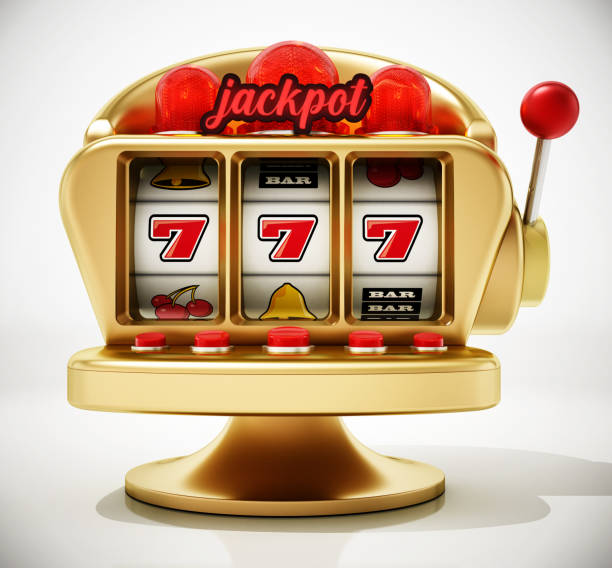
The distinction between luck and skill in gambling is often blurred, leading to debates among enthusiasts and professionals. Some argue that luck is the predominant factor since the inherent randomness of outcomes can easily overwhelm even the best strategies. Others maintain that skill plays an essential role in games where players can influence the outcome through their decisions. Understanding this dichotomy is crucial for anyone looking to navigate the gambling world.
Moreover, the rise of online casinos has added another layer of complexity to this debate. With digital platforms offering a wide variety of games, players are confronted with both chance and skill-based options. This has led to an increasing interest in learning skills that can enhance their gambling success, making the question of luck versus skill even more pertinent for today’s players.
The Role of Luck in Gambling
Luck is often viewed as the driving force behind gambling success, especially in games where players have no control over the outcome. In lotteries and slot machines, for instance, the results are entirely dependent on chance. No amount of strategy or practice can alter the odds in these situations, making luck the primary determinant of success. The random nature of these games means that even seasoned gamblers can find themselves on losing streaks, reinforcing the idea that luck reigns supreme in certain environments.
Additionally, the psychological aspect of luck cannot be overlooked. Gamblers often experience “hot streaks,” where they believe they are on a lucky run, leading them to make riskier bets. This phenomenon highlights how the perception of luck can influence decision-making, often leading players to bet more aggressively when they feel fortunate. The randomness of outcomes feeds this belief, creating a cycle of behavior that can ultimately lead to both exhilaration and despair.
Furthermore, the concept of luck is deeply ingrained in gambling culture. Players often carry superstitions, such as lucky charms or rituals, believing that these can influence their outcomes. While these practices may seem irrational, they underscore the importance of luck in the overall gambling experience, making it a central theme that many players continue to rely on in their pursuit of success.
The Importance of Skill in Gambling
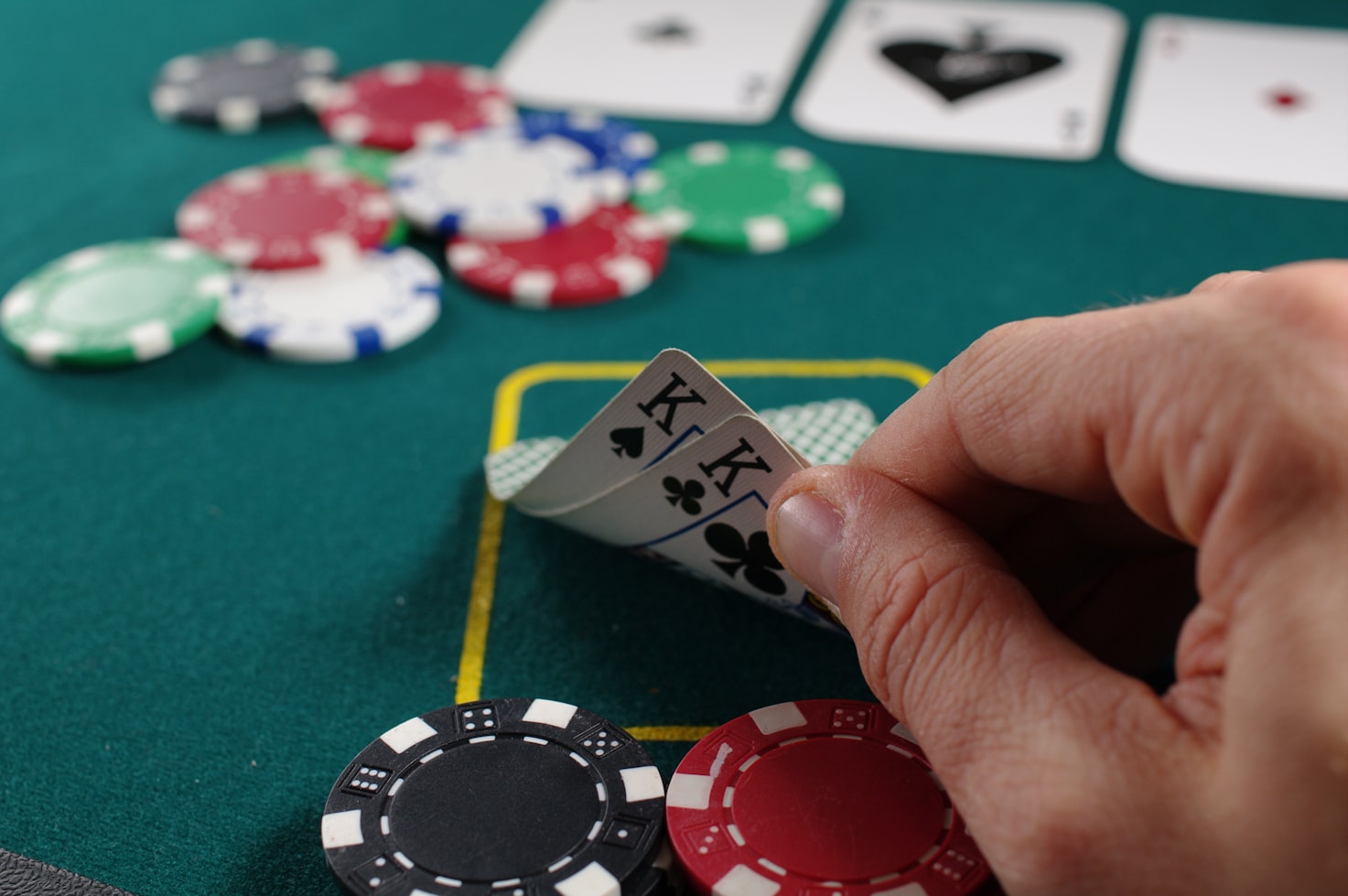
While luck plays a significant role, skill is undeniably crucial in many gambling scenarios. Games such as poker, bridge, and blackjack require not only knowledge of the rules but also an understanding of probability, strategy, and psychology. Players who take the time to study these elements can greatly improve their chances of winning. For instance, knowing when to fold or raise in poker can make the difference between a profit and a loss.
Moreover, successful gamblers often invest time in honing their skills. This can involve studying game strategies, practicing, and even analyzing the behavior of other players. By developing a thorough understanding of the game dynamics, skilled players can turn the odds in their favor. For example, advanced poker players often use psychological tactics to read their opponents, exploiting any weaknesses they perceive.
The impact of skill is particularly evident in competitive gaming environments. In tournaments, where multiple players compete against each other, those with superior skills often rise to the top, proving that strategy and expertise can significantly enhance one’s chances of success. This aspect emphasizes that while luck may decide the outcome of a single game, skill can shape a player’s overall success in the long run.
The Online vs. Offline Casino Experience
The emergence of online casinos has revolutionized the gambling landscape, presenting unique challenges and opportunities for both luck and skill. Online platforms offer a vast array of games, from traditional options to innovative new formats, making them accessible to a broader audience. This accessibility has changed how players approach gambling, often leaning towards games of chance due to the instant gratification they provide.
In online gambling, the algorithms that drive games like slots and roulette are designed to be fair but unpredictable, enhancing the element of luck. However, many online players gravitate toward skill-based games, such as poker, where they can apply their strategies against other players. This shift has prompted a new generation of gamblers to invest in skill development, recognizing the potential for higher returns through informed decision-making.
Furthermore, the convenience of online gambling means that players can engage in multiple games simultaneously, potentially increasing both their chances of winning and their exposure to luck-based outcomes. This dynamic requires a different mindset than traditional casinos, where players often focus on a single game. The ability to toggle between games challenges players to assess their strategies continually and adapt to the fast-paced online environment.
Conclusion: Finding Balance in Gambling Success
Ultimately, the interplay between luck and skill in gambling is complex and multifaceted. While luck is an undeniable factor, especially in games of chance, skill significantly enhances a player’s chances of success in strategy-based games. Understanding the balance between these two elements can empower gamblers to make informed decisions, whether they are playing in an online or offline setting.
Players must recognize their strengths and weaknesses, investing time in skill development while remaining aware of the role luck plays in their gambling endeavors. This balanced approach can lead to a more enjoyable and potentially profitable gambling experience, as individuals learn to navigate the unpredictable landscape of chance and strategy.
As gambling continues to evolve, it remains crucial for players to stay informed about both aspects. Engaging with communities, reading literature, and practicing regularly are all ways to enhance one’s skills. Ultimately, recognizing the influence of both luck and skill can guide players toward a more strategic and rewarding gambling journey.